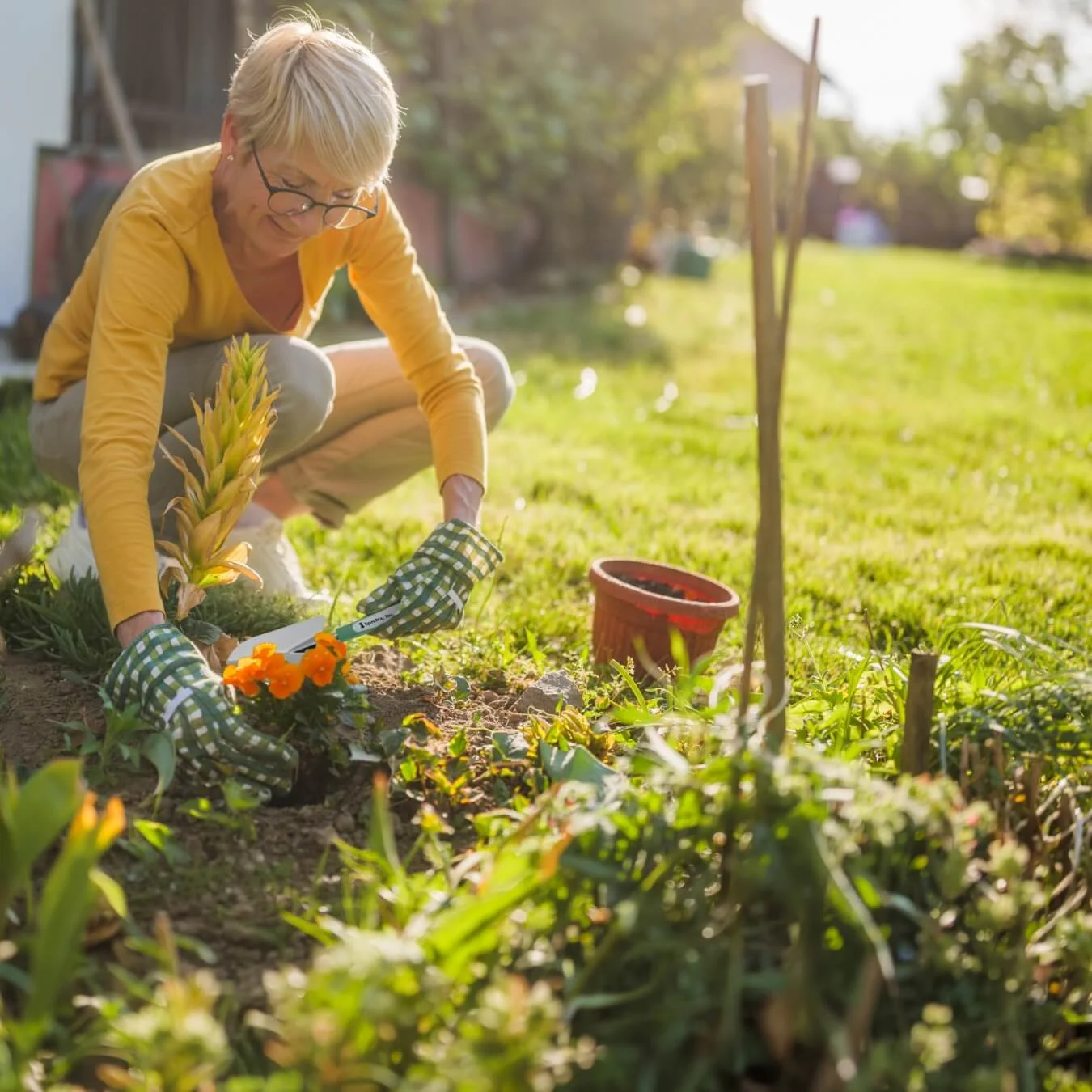
The Outdoor Living Shift: How Britain Is Redefining Summer Leisure
Promo Pro Guide
Read Time: 5 minutes
Posted: July 21, 2026
British summers have always carried a sense of urgency.
Partly because they are short. Partly because they are unpredictable. And partly because warm weather in Britain still feels like something to make the most of before it disappears again.
But recently, something about British summer behaviour has started to change.
People are not just spending more time outside when the weather is nice. Outdoor living is becoming part of daily life, less about special occasions and more about how people socialise, relax, and enjoy their free time all season long.
Across towns and cities, public space increasingly functions as social space. Canal paths stay busy late into the evening. Coastal towns fill with people making spontaneous after-work trips to the beach. Outdoor food markets, rooftop spaces and local green areas now feel less like occasional summer activities and more like extensions of everyday life during warmer months.
What is emerging is a quieter but noticeable shift in how Britain experiences leisure.
Not through a dramatic lifestyle reinvention, but through smaller behavioural changes that are gradually redefining what summer looks like now.
Outdoor Leisure Is Becoming More Everyday
One of the clearest changes is how informal outdoor socialising has become.
Summer leisure increasingly revolves around spontaneity rather than heavily planned occasions. Instead of expensive nights out or structured events, many people are choosing simpler and more flexible ways to spend time together outdoors.
Meeting friends outside after work. Picking up food on the way to the coast. Spending longer evenings outdoors simply because the weather allows it.
These moments are becoming part of the ordinary seasonal routine rather than isolated occasions.
That behaviour is increasingly reflected in national data too.
The latest People and Nature Survey from Natural England found that urban green spaces remain among the most frequently visited outdoor environments in England, with around half of adults visiting regularly during the past month.[1]
Importantly, much of this activity happens close to home.
The same survey found that nearly seven in ten people say green space is within walking distance of where they live, helping explain why local outdoor socialising is becoming such a defining part of modern British summers.[2]
Public Space Feels More Social Than Before
Part of this shift reflects changing attitudes towards outdoor space itself.
For years, parks and shared outdoor spaces were often just places people passed through, not places to stay. Now, during warmer months, they are becoming social destinations in their own right.
Groups now come ready to spend whole evenings outside. People bring cool bags with drinks and snacks for longer stays. Portable chairs, picnic gear, and lightweight outdoor products are common sights because people expect to spend hours outdoors once they arrive.
Even relatively simple products now shape how people spend time outdoors.
Reusable drinkware, lightweight drawstring bags, and portable technology are now common in summer routines. People use them not to impress, but because they make it easy to relax and socialise as they move between beaches, parks, and other outdoor spots.
In many ways, people are recreating the atmosphere of cafés, living rooms and dining spaces outdoors.
The Economics of Simpler Leisure
The shift also reflects wider economic behaviour.
During periods of rising living costs, casual outdoor socialising often offers a more affordable alternative to traditional entertainment and hospitality spending. A relaxed evening outdoors replaces a more expensive social occasion. Local outdoor spaces become flexible, low-cost environments for spending time together without requiring significant planning or spending.
Retailers are adapting to this behaviour too.
Brands such as John Lewis and Decathlon continue to invest heavily in outdoor lifestyle categories built around portability, comfort, and casual social use rather than formal entertaining.
The emphasis is rarely on luxury. It is about making outdoor time feel easier, more comfortable and more flexible for longer periods.
Britain’s Outdoor Economy Is Growing
Underneath these behavioural shifts is a much larger leisure economy.
Research from the Reconomics 3.0 report published by the Sport and Recreation Alliance found that outdoor recreation visits in England have increased significantly over the past decade.[3]
This growth shows how much outdoor activity is now part of everyday life in Britain. It is not just about tourism or organised exercise, but about daily leisure habits.
The wider visitor economy is seeing similar momentum.
Figures released by ALVA showed UK visitor attractions recorded more than 157 million visits in 2024, marking continued growth in domestic leisure activity across the country.[4]
Together, the data points towards something broader: Britain is becoming increasingly comfortable building everyday social life around outdoor environments, even without guaranteed sunshine.
Outdoor Living, British Style
What stands out about Britain’s move to outdoor living is that it feels more relaxed and less polished than the carefully planned outdoor cultures seen in warmer countries.
British outdoor living is rarely about perfection. It is about adaptability.
People sit outside wearing extra layers because temperatures shift unexpectedly. Blankets appear midway through evenings. Lightweight waterproofs remain close by ‘just in case.’ Outdoor plans stay deliberately flexible because everyone understands the weather can still change quickly.
And that unpredictability is part of what makes the behaviour feel authentic.
The products that naturally become part of these routines tend to support that flexibility quietly: cool bags packed for long afternoons outdoors, vacuum insulated water bottles and plastic cups or tumblers carried between locations, or lightweight accessories that make spontaneous plans easier without requiring elaborate preparation.
The products themselves are rarely the focus. They simply support a version of summer leisure built around comfort, flexibility and making the most of time outdoors while the weather allows it.
All marks are the property of 4imprint or their respective owners.