The Great Outdoor Shift: How Employers Are Redefining Workplace Well-being
Marketing News
Read Time: 3 minutes
Posted: July 14, 2026
More employers are supporting employee well-being outside the office, as more people use outdoor activities to boost their physical and mental health.
According to new research from leading insurer, Aviva, 80% of people say being outdoors makes them happier, and 74% feel less stressed and anxious after spending time in nature. Another 65% look for natural spaces to support their mental well-being.
These findings show a real change in how people behave. As employees care more about health, work-life balance, and social connections, businesses are rethinking their approach to well-being. They are moving past office-only programmes and encouraging people to get outside, be active, and connect with others.
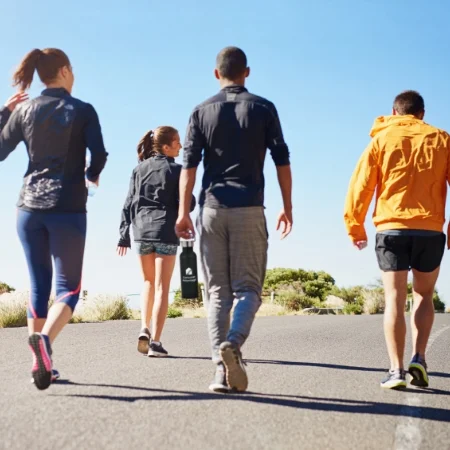
Employers are adding more outdoor experiences to their employee engagement plans, including walking programmes, charity challenges, outdoor volunteering, and fitness activities.
This shift is opening up new opportunities for workplace well-being programmes, marketers, community partnerships, and a growing market for purpose-driven promotional products.
A New Approach to Employee Engagement
Over the past decade, employee health & wellness has become a top priority for company leaders, as they see the connection between well-being, productivity, and keeping staff.
However, the way organisations tackle this challenge is changing.
Traditional well-being programmes usually focus on office perks, online resources, or internal activities. Now, more businesses are looking outside the workplace for new ideas.
Walking challenges, outdoor team-building, volunteering days, and charity fundraisers are becoming increasingly popular as companies look for ways to boost well-being and help employees connect with one another.
This trend shows that employees now expect more. They want experiences that support their physical and mental health and give them chances to connect with co-workers and the community outside of work.
Businesses Are Already Making the Move
Some organisations have already made outdoor well-being a key part of their engagement strategies.
Premier Foods is one example. Its ‘Premier Power Walk’ programme invites employees to join organised walks that aim to improve health and well-being and help colleagues connect.
This shows that even simple outdoor activities can make a real difference to workplace culture and employee engagement.
Professional services firm Deloitte has also tried outdoor engagement by adding organised walks to its mentoring programmes. Taking conversations outside the meeting room helps build stronger relationships and encourages more open discussions.
These examples show that outdoor well-being is becoming more than just a one-off idea. It is turning into a key business strategy.
The Community Connection
The outdoor well-being movement is not just happening at work.
Across the country, more people are joining community-based outdoor activities, showing the wider social benefits of getting outside.
Parkrun is one of the best examples of this trend.
It started as a small community-run but has grown into one of the world's most successful well-being movements. It brings together people of all ages and abilities for free weekly events.
The impact is so strong that healthcare professionals now support Parkrun through the Parkrun Practice initiative. More than 2,000 GP practices encourage people to join as part of wider well-being and social prescribing programmes.
The success of Parkrun shows how outdoor activities help fight social isolation, improve well-being, and strengthen local communities.
For businesses, this is a chance to support activities and causes that matter to both employees and customers.
Why Marketers Are Paying Attention
The move toward outdoor well-being is also changing how brands connect with people.
Consumers are more interested in organisations that truly care about well-being, sustainability, and community involvement. Because of this, businesses are investing more in experiences that engage people rather than relying solely on traditional ads.
Charity walks, local sports, outdoor volunteering, and community well-being campaigns give brands new ways to connect with people in a more real and meaningful way.
Instead of just sharing a message, organisations are now part of experiences that people value and remember.
For marketers, this is a great chance to build stronger emotional connections and long-term brand loyalty.
A New Role for Promotional Products
One less obvious result of the outdoor well-being trend is a change in how companies use promotional merchandise.
In the past, companies chose promotional products mainly to get noticed. Now, many look for items that fit well with well-being programmes and are useful to the people who receive them.
For example, reusable water bottles, insulated cups, fitness gear, bum bags, walking kits, sports bags, and outdoor event packs are now common in employee programmes, fundraisers, and community events.
The reason is simple.
Products that help people adopt or support a healthy lifestyle often create stronger, longer-lasting brand connections than traditional giveaways.
A branded water bottle at a charity walk, a wellness pack for an employee challenge, or useful outdoor gear at a community event becomes part of the experience, not just a logo.
For the promotional products sector, the trend represents a growing opportunity to support organisations looking to connect well-being, engagement and brand values.
More Than a Passing Trend
The latest research shows that the move toward outdoor well-being is becoming a lasting change rather than a short-term trend.
As more people focus on physical activity, mental health, and social connections, organisations are changing their employee engagement strategies to match these new priorities.
For employers, the benefits go beyond just health and well-being. Outdoor programmes can build a stronger workplace culture, boost engagement, and create a better sense of community.
For marketers, these programmes offer chances to connect with audiences in more meaningful ways.
For the promotional products industry, they are driving demand for items that support participation, well-being, and shared experiences.
The businesses leading this change know that engagement now happens wherever people live, move, and connect, not just at work.
As outdoor well-being becomes more common, this insight could be one of the most valuable lessons for organisations that want to build stronger relationships with employees, customers, and communities.
All marks are the property of 4imprint or their respective owners.
Become a Parkrun Practice, Become a Parkrun Practice.
The parkrun practice initiative, The parkrun practice initiative.
Nature’s Remedy: new research reveals how Brits are turning to the outdoors—and each other—to boost, Nature’s Remedy: new research reveals how Brits are turning to the outdoors—and each other—to boost.
Wellbeing Deloitte, Wellbeing Deloitte.
Premier Foods - Premier Power Walk, Premier Foods - Premier Power Walk.